Master Short-Term Rental Rules in The Woodlands
Navigating the landscape of short-term rental regulations can be daunting for property owners and hosts in The Woodlands, TX. This comprehensive guide aims to clarify the various laws and requirements that govern short-term rentals, ensuring that you are well-informed and compliant. Understanding these regulations is crucial for maximizing your rental’s potential while avoiding legal pitfalls. This article will cover Texas state laws, specific permit requirements for The Woodlands, the impact of Airbnb hosting laws, tax obligations, and the latest market trends affecting short-term rentals. By the end, you will have a clear roadmap to successfully manage your short-term rental property.
What Are the Texas State Laws Governing Short-Term Rentals?
Texas state laws provide a framework for short-term rentals, ensuring that property owners comply with local regulations while promoting tourism and economic growth. These laws encompass various aspects, including zoning regulations and specific compliance requirements for platforms like Airbnb. Understanding these laws is essential for any property owner looking to enter the short-term rental market.
Which Texas rental property zoning laws affect short-term rentals?
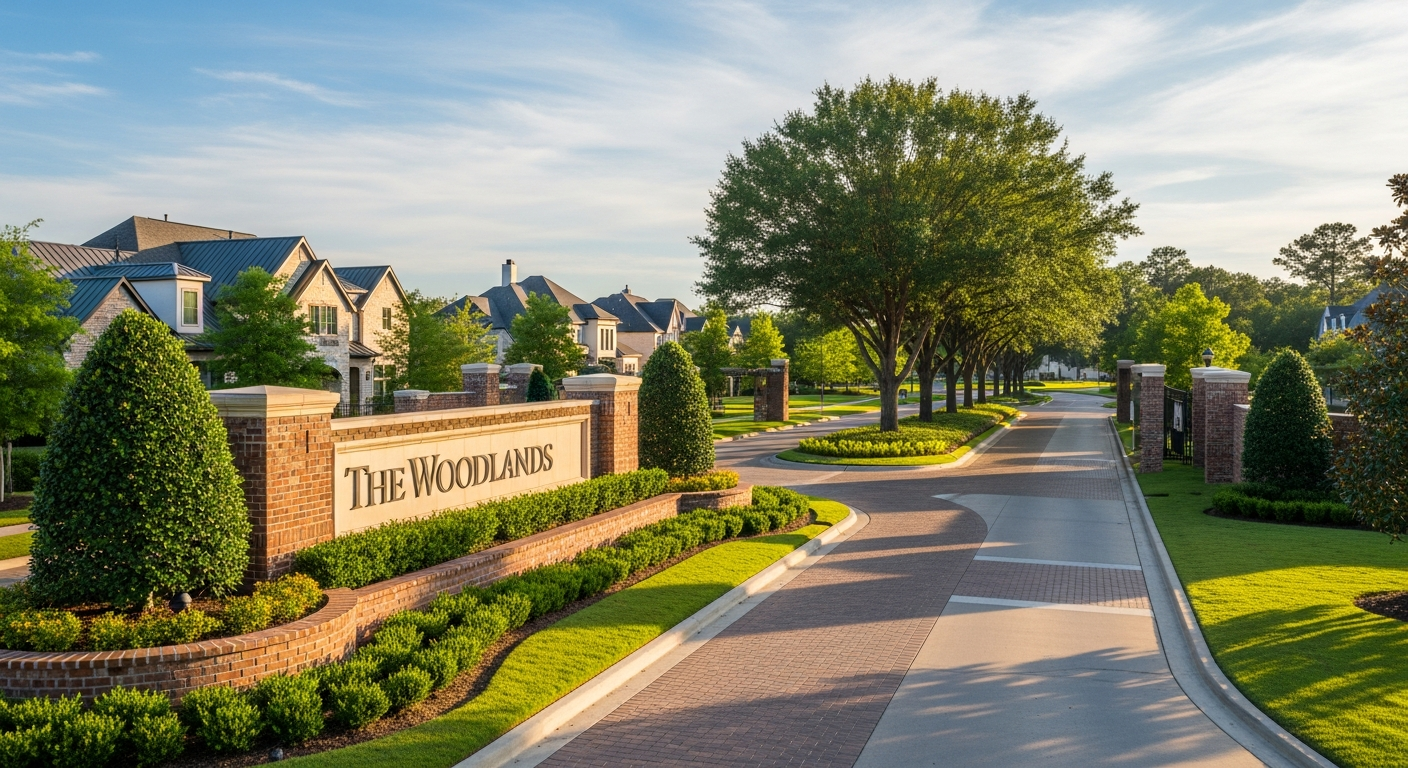
Zoning laws in Texas dictate where short-term rentals can operate, often varying by city and neighborhood. In The Woodlands, property owners must ensure their rentals comply with local zoning ordinances, which currently prohibit short-term rentals in most residential neighborhoods governed by The Woodlands Township. These regulations are designed to maintain community standards and protect the character of neighborhoods. Property owners should consult local zoning maps and regulations to confirm compliance before listing their properties.
How do Texas state laws regulate Airbnb hosting and vacation rentals?
Texas state laws do not impose a statewide registration requirement for Airbnb hosts or vacation rentals. However, hosts must comply with local ordinances and safety standards, which may include smoke detectors and fire extinguishers. Non-compliance with local regulations can result in fines and other penalties, making it crucial for hosts to stay informed about these requirements.
The complexity of these local regulations is a common challenge across Texas municipalities, as highlighted by the experience of its capital city.
Austin, Texas STR Regulations & State Laws
Capital City of Texas Regulations on STRs With “one of the oldest and most obstructive short-term rental laws in the state,” Austin, Texas has dealt with the problem of STR regulations
Municipal Optimization of Short-Term Rental Regulations: The Reality of Airbnb in South Texas Communities, 2020
What Are The Woodlands Specific Short-Term Rental Permit Requirements?
The Woodlands Township currently prohibits short-term rentals in residential neighborhoods. Therefore, property owners cannot obtain a short-term rental permit for properties located within residential areas governed by The Woodlands Township. Commercial properties or those outside The Woodlands Township jurisdiction may have different rules. It is essential to verify the specific location and applicable regulations before attempting to operate a short-term rental.
How to apply for a short-term rental permit in The Woodlands TX?
Since short-term rentals are generally prohibited in residential areas of The Woodlands Township, there is no application process for a short-term rental permit for these properties. Property owners interested in operating short-term rentals should consult with local authorities or legal counsel to understand any exceptions or alternative options.
What occupancy limits and safety regulations apply to The Woodlands vacation rentals?
Because short-term rentals are not permitted in most residential areas of The Woodlands, there are no specific occupancy limits or safety regulations enforced by The Woodlands Township for such rentals. However, if operating in commercial zones or outside The Woodlands jurisdiction, property owners should adhere to applicable safety standards, including smoke detectors, carbon monoxide detectors, and fire extinguishers, and follow any occupancy limits set by local laws.
How Do Airbnb Hosting Laws Impact Short-Term Rentals in Texas?
Airbnb hosting laws significantly influence how short-term rentals operate in Texas, particularly in The Woodlands. These laws are designed to protect both hosts and guests while ensuring compliance with local regulations.
What are the compliance requirements for Airbnb hosts in The Woodlands?
Airbnb hosts in The Woodlands must comply with local ordinances, which currently prohibit short-term rentals in most residential neighborhoods. Hosts should verify whether their property is eligible for short-term rental use. Additionally, hosts must ensure that their properties meet safety standards, such as having working smoke detectors and fire extinguishers, if operating in permitted areas. Failure to comply with these requirements can result in fines and the potential loss of the ability to operate as a short-term rental.
How do Texas state laws influence Airbnb hosting rules?
Texas state laws provide a general framework for Airbnb hosting rules, but most regulations are determined at the local level. These laws cover various aspects, including safety regulations, tax obligations, and zoning restrictions. Understanding these laws is essential for hosts to avoid legal issues and ensure a successful rental experience.
What Tax Obligations Must Short-Term Rental Owners in The Woodlands Follow?
Short-term rental owners in The Woodlands must navigate various tax obligations to remain compliant with state and local laws. Understanding these obligations is crucial for effective financial management and avoiding penalties.
Which vacation rental taxes apply in The Woodlands and Texas?
In The Woodlands, short-term rental owners are subject to state hotel occupancy taxes and local taxes if their property is legally operating as a short-term rental. The state hotel occupancy tax rate is 6%, and local taxes may include additional municipal hotel occupancy taxes. Property owners must collect these taxes from guests and remit them to the appropriate authorities. Failure to comply with tax obligations can result in significant fines and legal repercussions.
This collection process is further exemplified by partnerships between platforms and state authorities to ensure compliance.
Texas STR Hotel Occupancy Tax & Airbnb Partnership
hotel occupancy taxes from short-term rental owners.o In 2017, Airbnb partnered with the Texas Comptroller’s Office to collect hotel taxes on
Dying to Stay: Short-Term Rentals and the Complicated Impact They Have on Texas Municipalities, Property Rights, and the Tourist Economy, 2017
How to ensure tax compliance for short-term rental income?
To ensure tax compliance for short-term rental income, property owners should maintain accurate records of all rental transactions, including income and expenses. Utilizing accounting software can help streamline this process. Additionally, consulting with a tax professional familiar with short-term rental regulations can provide valuable guidance on compliance and tax strategies.
What Are The Latest Market Trends and Investment Insights for Short-Term Rentals in The Woodlands?
The short-term rental market in The Woodlands is influenced by various trends and investment insights that property owners should consider when managing their rentals. Understanding these trends can help owners maximize profitability and make informed decisions.
How do local market trends affect short-term rental profitability?
Local market trends play a significant role in determining short-term rental profitability. Factors such as seasonal demand, local events, and economic conditions can impact occupancy rates and rental prices. Property owners should stay informed about these trends to adjust their pricing strategies and marketing efforts accordingly.
What safety and insurance requirements should property owners consider?
Safety and insurance requirements are critical for short-term rental owners in The Woodlands. Property owners should ensure that their rentals meet all safety regulations, including fire safety measures and emergency preparedness. Additionally, obtaining comprehensive insurance coverage tailored to short-term rentals can protect owners from potential liabilities and financial losses.