Living In
Cypress TX
Residential Market Analysis
Urban Lifestyle Assessment: Cypress, Texas (Zips 77429 and 77433)
The residential landscape of Cypress, Texas, currently functions as one of the most significant socioeconomic laboratories in the Greater Houston Metropolitan Area. Historically defined by its transition from prairie and agricultural use to a high-density suburban core, the region—specifically the 77429 and 77433 zip codes—represents a strategic bifurcation of the Houston real estate market. This report provides a high-level analysis of the location economics, housing supply realities, and lifestyle use cases that drive capital investment and residential migration into this corridor. By examining observable patterns in public data, market positioning, and the functional mechanics of daily life, we can understand why this unincorporated area of Harris County continues to outperform many of its peer submarkets within the Texas Triangle.
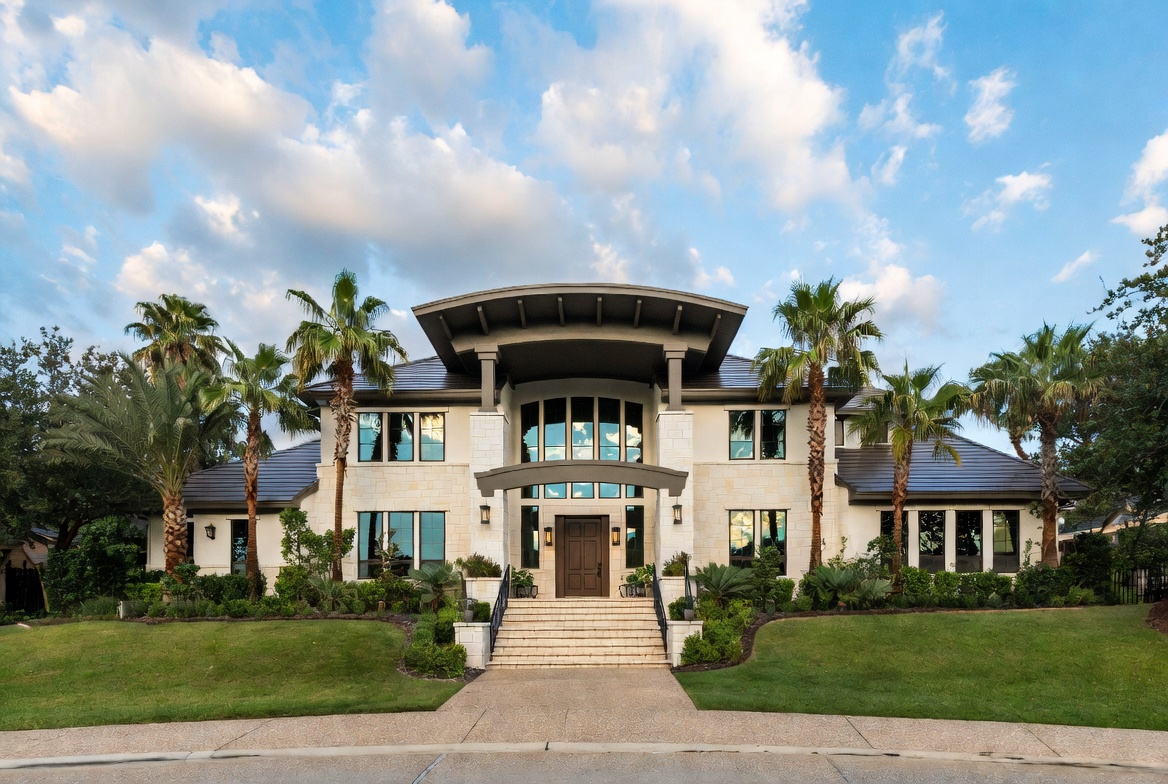
Macro-Economic Positioning and Regional Connectivity
The Cypress market is defined by its relationship to the Northwest Freeway (U.S. Highway 290) and the State Highway 99 (Grand Parkway) intersection. This geographic positioning places it roughly 25 to 27 miles northwest of the Houston Central Business District. However, to view Cypress merely as a bedroom community for downtown commuters is to overlook its emerging role as a self-sustaining suburban hub. The region’s economic identity is increasingly shaped by its proximity to the Energy Corridor—a global center for the energy industry—and the growing industrial and healthcare presence along the 290 corridor itself.
The location economics are bolstered by massive infrastructure investments. The recent completion of Segment F-1 of the Grand Parkway, a 12-mile toll road connecting US 290 to SH 249, has fundamentally altered the accessibility profile of Cypress.1 This connection allows for rapid transit to the northern suburbs of Tomball and The Woodlands, as well as the southern hubs of Katy and Sugar Land, effectively making Cypress a central node in the outer loop of Houston. This multi-directional connectivity is a primary decision driver for residents who may work in disparate parts of the metro area but seek a centralized residential base with high-tier amenities
The economic vitality of the region is further underscored by the high median household income, which stands at approximately $117,931 for the 77429 area and $137,348 for 77433. These figures represent roughly 1.5 times the state average, indicating a resident base with significant purchasing power and a high demand for luxury-tier services and retail.The presence of nearly 29% of households in the 77433 zip code earning over $200,000 per year creates a fertile ground for high-end commercial development, such as the Boardwalk at Towne Lake and the emerging Bridgeland Central
The Housing Supply Reality: Bifurcation of 77429 and 77433
A critical component of the Cypress market is the distinction between its two primary zip codes. While they share the same school district and general regional identity, their housing stock characteristics and economic structures differ significantly. This bifurcation is essential for understanding market positioning and the long-term value propositions of various neighborhoods
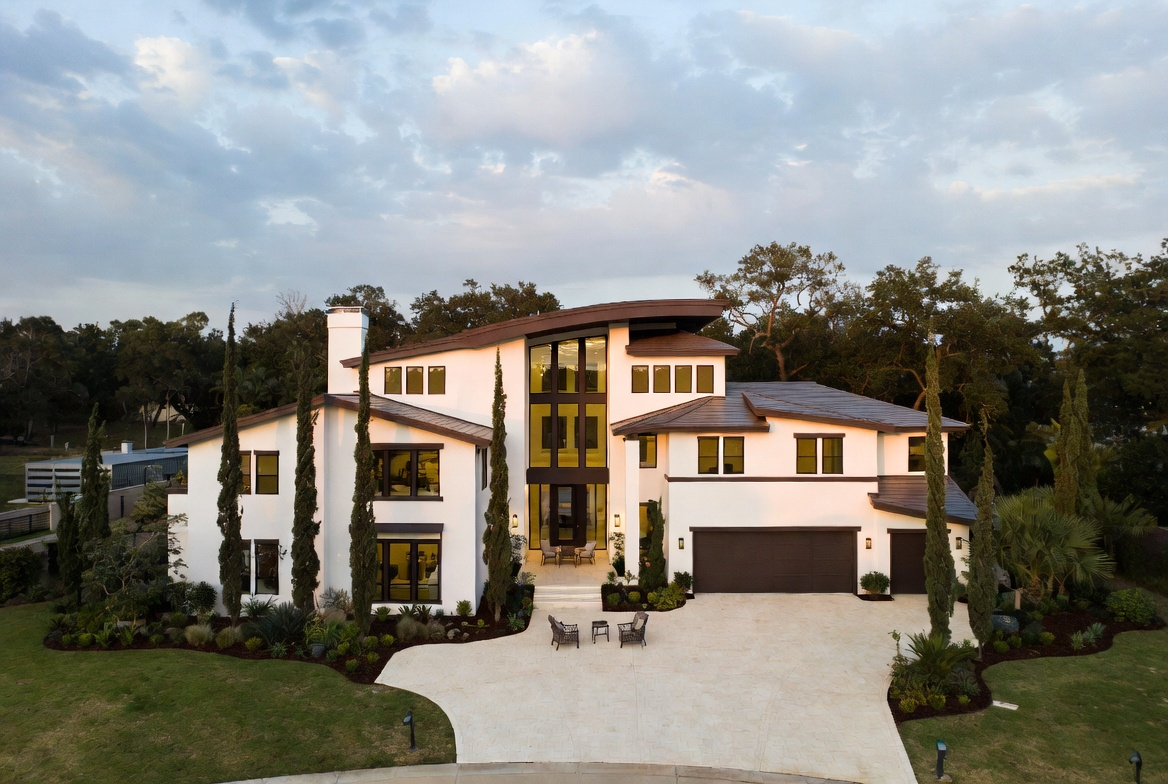
The 77429 Corridor: Established Stability and Mature Infrastructure
A critical divergence has emerged in tenure rates, signaling a structural shift in how housing is utilized across the three zones.
The 77429 zip code is characterized by a more established residential stock, with significant development occurring between the 1990s and the early 2010s. Neighborhoods such as Coles Crossing and Fairfield are representative of this era, offering mature landscaping, established tree canopies, and a sense of suburban permanence that newer developments often lack. The housing supply in this area is more constrained, with for-sale inventory typically lower than in the 77433 growth corridor.
From a structural perspective, homes in 77429 tend to follow traditional or transitional architectural themes. There is a high proportion of four- and five-bedroom homes, reflecting the region's focus on providing significant square footage.13 In 2026, the average home price in 77429 is approximately $530,330, with a price per square foot of roughly $206.14 This area is increasingly becoming a target for "second-wave" investment, where buyers purchase older homes and invest in significant remodeling—focusing on open-concept kitchens, smart home technology, and modern farmhouse aesthetics—to capture the value of the established location while modernizing the living space.
The 77433 Corridor: The Epicenter of Modern Growth
In contrast, the 77433 zip code is the current engine of the Cypress growth machine. It is home to some of the largest and most successful master-planned communities in the United States, most notably Bridgeland and Towne Lake.This area offers a much higher volume of new construction and "blank-slate" residential opportunities. The typical home value in 77433 is approximately $422,830, though this figure is skewed by the vast array of housing types, from entry-level townhomes in the $300s to custom lakeside estates exceeding $3.5 million.
The 77433 corridor represents a "nature-integrated" and "resort-style" lifestyle use case. Development here is not just about the structure of the house but the ecosystem surrounding it. For example, Bridgeland is designed with 3,000 acres of dedicated open space and 250 miles of trails, while Towne Lake is built around a 300-acre recreational lake. This intense focus on amenity-rich living is a major driver for the area's population growth, which saw 77433 ranked as the #1 inbound zip code in the country in early 2025.
Location Economics and the MUD Tax Structure
One of the most critical practical tradeoffs for residents in Cypress involves the tax structure. Because Cypress is an unincorporated area, it relies on Municipal Utility Districts (MUDs) to fund water, sewer, and drainage infrastructure. These MUDs issue bonds that are repaid through property taxes, leading to significant variations in the annual tax burden between the two zip codes.
In the established neighborhoods of 77429, many of these infrastructure bonds have been partially or fully retired. Consequently, property tax rates are often lower, ranging from approximately 2.47% to 2.7%. In the high-growth areas of 77433, where infrastructure is still being expanded, tax rates can range from 3.08% to 3.6%.This "tax delta" can result in an annual difference of several thousand dollars for homes of the same purchase price. For a professional buyer evaluating long-term cost of ownership, the 77429 corridor offers higher tax efficiency, while the 77433 corridor offers the newest amenities and higher potential for initial value appreciation through community development.
Lifestyle Use Cases and Decision Drivers
The decision to choose a neighborhood in Cypress is rarely based on the house alone. Instead, it is a choice of a specific lifestyle "ecosystem." The region functions through its master-planned communities, which act as semi-autonomous hubs of activity.
The Resort-Style Living Use Case
For many residents, the primary driver is the integration of work, play, and residence within a high-amenity environment. The "Lake Life" in Towne Lake is a prime example. This community functions around the 4th largest recreational lake in the Greater Houston area, allowing residents to use boats as a secondary mode of transportation to access the Boardwalk, where they can dine, shop, and attend events. This use case appeals to those who prioritize active, water-based recreation and a high level of social engagement within their immediate neighborhood.
Similarly, Bridgeland caters to the "Nature-Centric" use case. Its design philosophy emphasizes connectivity to the environment, with 900 acres of lakes and an extensive trail system that promotes outdoor activities such as kayaking, bird watching, and cycling. Each village in Bridgeland—Lakeland, Parkland, Prairieland, and Creekland—is centered around an amenity hub, ensuring that residents are never far from fitness centers, pools, and retail services.

The "Established Suburban" Use Case
Neighborhoods like Fairfield and Coles Crossing offer a more traditional suburban experience. These communities are defined by their sense of permanence and "greenery maturity". The decision drivers for these areas often include lower tax rates, larger lots with more privacy, and a more predictable, quiet lifestyle compared to the bustling, development-heavy atmosphere of newer MPCs. Fairfield, for instance, provides a 15,000-square-foot athletic club and eight lakes, offering robust amenities without the "new-construction" price premium or tax burden.
Educational Infrastructure as a Market Stabilizer
The Cypress-Fairbanks Independent School District (CFISD) is perhaps the single most influential factor in the region's long-term market stability. As the third-largest school district in Texas, CFISD serves as a primary attraction for residents. The district’s reputation for academic excellence—with a high percentage of campuses receiving "Recognized" or "Exemplary" status—ensures a constant influx of buyers and protects property values during broader economic volatility.
The district operates as a massive economic engine, employing thousands of staff and managing state-of-the-art facilities like the Berry Center, which serves as a community hub for athletics, arts, and graduations. For residents, the "school zone" is often more important than the zip code. High schools like Bridgeland and Cypress Ranch command a premium in the resale market, as parents frequently target specific feeder patterns.
Furthermore, the educational landscape is diversifying. The presence of Lone Star College-CyFair provides a localized higher education option, while a growing network of private and charter schools—such as Harmony Science Academy, Cypress Christian School, and The Banff School—offers residents various pedagogical choices to suit their specific requirements.
Daily Functional Mechanics: Commuting and Mobility
Daily life in Cypress is heavily influenced by the logistics of transportation. While the region is car-dependent, the functional mechanics of the commute are evolving.
The Commuter Tradeoff
Driving remains the primary mode of transport, with 70-71% of the workforce driving alone to employment hubs like the Energy Corridor, Downtown Houston, or the Texas Medical Center. The typical commute to downtown is approximately 30-45 minutes, but this can increase to 60-90 minutes during peak congestion periods. This "commuter reality" is a significant tradeoff for the space and amenities offered in Cypress.
To mitigate this, many residents utilize the Cypress Park & Ride system. The METRO 217 route provides a high-frequency bus service that utilizes HOV lanes on Highway 290, offering a faster and less stressful alternative to fighting through stop-and-go traffic. For those working in the Energy Corridor, the Grand Parkway (SH 99) provides a 15-mile southward connection that avoids the inner city entirely, making the 77433 corridor particularly attractive to energy sector professionals.
Future Infrastructure Outlook
Infrastructure projects in the pipeline for 2026-2027 are set to further improve mobility. The expansion of Greenhouse Road—including an underpass connection beneath Highway 290—is expected to begin in February 2026.20 This project will provide a vital north-south link between the Towne Lake/Bridgeland areas and the commercial centers on the north side of the freeway, reducing the current over-reliance on Barker Cypress and Fry Road.
Commercial Development and Future Growth Pipeline
The transformation of Cypress into a self-contained hub is accelerating through a robust pipeline of commercial projects. As of early 2026, over 100 projects were registered in the region, ranging from industrial business parks to luxury retail centers.
Retail Saturation and Anchors
The retail landscape is transitioning from basic service centers to high-end lifestyle destinations. The Houston Premium Outlets remain a major regional draw, but the addition of boutique retail like the upcoming Trader Joe’s at Towne Lake Parkway indicates a shift toward specialized consumer demand. The arrival of a second Costco near the Elyson community on the Grand Parkway—set to open in late 2026—serves as a high-level validation of the area's population density and household wealth.
Healthcare and Institutional Investment
Healthcare is the biggest "growth story" in the Cypress development pipeline. The region is seeing significant hospital expansions and new medical office buildings, such as the 51,000-square-foot Memorial Hermann facility in Bridgeland Central. This institutional investment not only improves the local quality of life but also creates a significant number of high-paying local jobs, further reducing the need for residents to commute into the Texas Medical Center.
Environmental Risk and Structural Preservation
As a mature suburban submarket, Cypress faces specific environmental challenges that buyers must evaluate as part of their long-term risk assessment.
Flood and Climate Resilience
The region's rapid development has historically placed stress on local drainage systems. Public data indicates that approximately 64% of properties in the 77433 zip code are at risk of severe flooding over the next 30 years. This has led to a major focus on "green infrastructure" in newer developments. Communities like Bridgeland utilize a sophisticated system of bioswales, retention ponds, and native landscaping designed to manage high volumes of stormwater. However, wind and heat remain persistent risks, with 75% of properties facing severe risk from hurricane-force winds and 83% facing extreme heat risk.
Home Renovation and Structural Retention
In the 77429 corridor, the housing market is seeing a trend toward high-impact renovations. As the original stock from the 1990s and 2000s ages, homeowners are focusing on structural retention—preserving the large lots and brick exteriors typical of the era—while gutting interiors to create the open layouts desired by modern buyers. Kitchen upgrades featuring multi-functional islands and smart toilets in bathrooms are among the top trends for 2026. This trend is crucial for maintaining property values in established areas and preventing "overcapitalization," where improvements exceed the neighborhood's price ceiling.
Market Positioning Within the Houston Metro Area
When positioned against other major Houston suburbs like Katy, The Woodlands, or Sugar Land, Cypress offers a distinct "value-to-lifestyle" ratio.
Comparison with Katy
Katy is often the primary competitor for Cypress. While Katy offers a more "urban-suburban" vibe with high-energy entertainment hubs, Cypress is viewed as more "nature-centric" and "relaxed". Katy generally commands slightly higher appreciation rates and resale prices due to the national reputation of Katy ISD, but Cypress offers lower entry points and more "home for the money," particularly in the custom and luxury segments where lot sizes tend to be larger.
Comparison with Fulshear and Tomball
Fulshear represents the "next frontier" for buyers seeking even more space and brand-new construction, but it lacks the immediate retail and healthcare infrastructure currently available in Cypress. Tomball offers a "small-town" alternative with historic charm but does not provide the massive, resort-style master-planned community amenities that are the hallmark of 77433.
Conclusion: Synthesis of Decision Drivers and Future Outlook
The Cypress residential market in 2026 is defined by its resilience and its evolution into a self-sustaining urban-suburban node. The decision to reside in 77429 or 77433 is driven by a hierarchy of needs: first, access to the high-performance Cypress-Fairbanks ISD; second, the desire for a specific lifestyle ecosystem (Nature vs. Water vs. Established Value); and third, the requirement for regional connectivity via the 290 and 99 corridors.
The practical tradeoffs are clear: residents in newer communities accept higher tax rates (MUDs) and longer commutes in exchange for world-class amenities and modern housing stock. Residents in established areas trade "resort" amenities for tax efficiency, mature landscaping, and larger lot sizes. As infrastructure projects like the Greenhouse Road expansion and commercial hubs like Bridgeland Central reach completion, the internal gravity of Cypress will continue to strengthen. This suggests a long-term outlook of stable demand and continued professional-tier investment, making Cypress a central pillar of the Greater Houston real estate landscape. The market's ability to balance rapid growth with community-centric planning remains its most potent competitive advantage in the Texas residential sector.